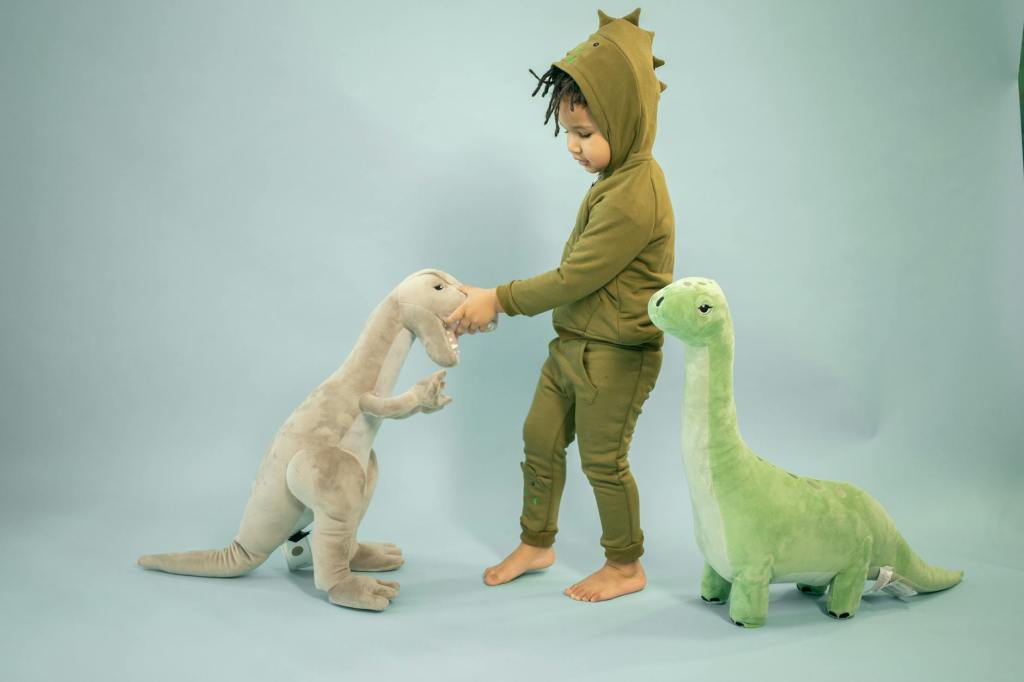
Imaginative play is a crucial part of childhood, allowing children to explore different roles, emotions, and problem-solving skills in a creative and unstructured way. From pretend tea parties to intricate world-building games, this type of play enhances cognitive development, emotional intelligence, and social skills. As children grow, imaginative play evolves, offering age-appropriate ways to spark creativity and independent thinking.
Here’s how imaginative play benefits different age groups and some gift ideas to encourage open-ended play.
The examples of specific gifts are from the Australian Amazon site. As an Amazon Associate, I earn from qualifying purchases.
Toddler (1–3 Years) – First Steps into Pretend Play
At this stage, toddlers begin imitating real-world actions and exploring basic make-believe scenarios. Simple props and open-ended toys support their growing curiosity and ability to mimic daily activities.
Gift Recommendations:
- Soft plush dolls or stuffed animals
- Amazon Australia: JOYIN Farm Animal Friends Kids Hand Puppets Set
- Play kitchen sets with plastic food
- Amazon Australia: 70PCS Kids Kitchen Playset
- Simple dress-up items like hats or capes
- Amazon Australia: Safari Animal Masks
Preschooler (4–5 Years) – Expanding Imaginary Worlds
Preschoolers engage in more elaborate role-playing and enjoy taking on different characters. They create simple storylines and act out scenarios, refining their communication and problem-solving skills.
Gift Recommendations:
- Dollhouses or playsets with miniature figures
- Amazon Australia: Fisher-Price Little People Toddler Toy Caring Fun Animal Farm Playset
- Puppet theaters and finger puppets
- Amazon Australia: Newwiee Doorway Puppet Theater
- Doctor, chef, or construction role-play kits
- Amazon Australia: Lehoo Castle Kids Doctor Set
Early Primary (6–8 Years) – Storytelling and Social Play
As children’s verbal and cognitive abilities expand, so does the complexity of their imaginative play. They may enjoy creating entire stories, designing characters, and collaborating with friends in imaginative adventures.
Gift Recommendations:
- Building sets that allow for open-ended design
- Amazon Australia: Fort Building Kit
- Fantasy-themed costume sets (knights, fairies, adventurers)
- Amazon Australia: Spooktacular Creations Kids Medieval Knight Costume
- Interactive storytelling games and prompts
- Amazon Australia: Telling Cubes
Tweens (9–12 Years) – Creative World-Building
Tweens often shift toward structured forms of imaginative play, incorporating elements of writing, game design, and problem-solving. They may enjoy immersive storytelling activities and creative role-playing games.
Gift Recommendations:
- Tabletop role-playing game starter sets
- Amazon Australia: PSI Steve Jackson Games SJG 1483 Munchkin Deluxe Card Game
- DIY comic book or story creation kits
- Amazon Australia: Lulu Jr. My Comic Book Making Kit
- Stop-motion animation or filmmaking kits
- Amazon Australia: HUE Animation Studio: Complete Stop Motion Kit
Teens (13–15 Years) – Strategic and Narrative Play
For teens, imaginative play often transitions into more strategic or artistic outlets, such as writing, theater, or interactive storytelling. Role-playing games and creative projects allow them to refine their storytelling abilities and critical thinking.
Gift Recommendations:
- Improvisation or theater games
- Amazon Australia: Awkward Dinosaur Side-Splitting Party Improv Card Game
- Interactive narrative-based video games
- Confirm operating system and hardware specifications with gift recipient prior to purchasing software
- World-building tools for creative writing
- Amazon Australia: The Only World Building Workbook You’ll Ever Need by T.M. Holladay
Older Teens (16+) – Expanding Creativity Through Expression
Older teens may continue engaging in imaginative play through more advanced storytelling methods, artistic expression, or collaborative projects. Creative outlets that allow them to develop their own worlds, characters, and narratives provide both entertainment and skill-building opportunities.
Gift Recommendations:
- Digital or board-based world-building games
- Amazon Australia: Big Potato Games The Chameleon Card Game
- Creative writing workshops or subscriptions
- Film editing or graphic novel creation software
- Confirm operating system and hardware specifications with gift recipient prior to purchasing software
Final Thoughts
Imaginative play remains a fundamental part of development, encouraging children to think creatively, collaborate, and express themselves freely. Whether through dressing up, storytelling, or creating entire worlds, open-ended play nurtures problem-solving skills and emotional growth. Supporting imaginative play at any age helps children and teens develop confidence, adaptability, and a lifelong love of creativity.


 Party Gift Hub
Leave a comment