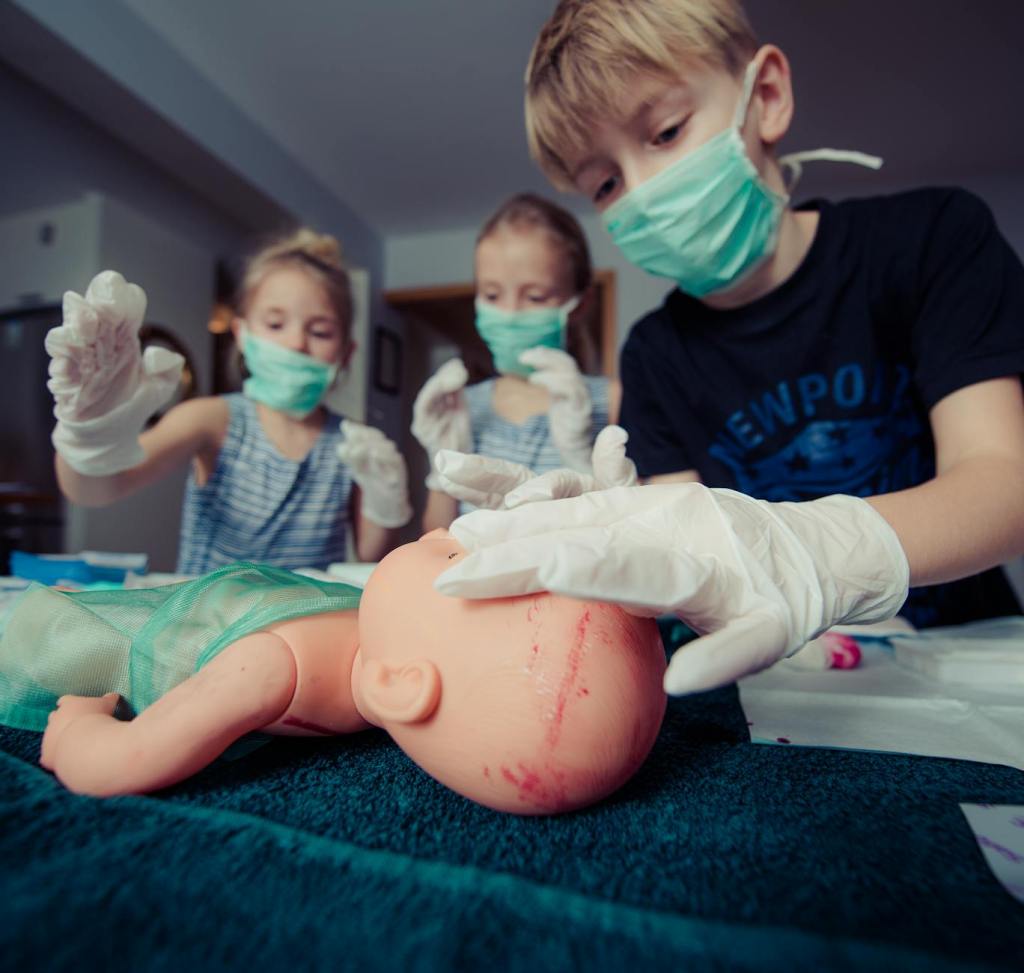
Dolls are among humanity’s oldest playthings, found in virtually every culture across thousands of years. They’re far more than simple toys—they’re tools for storytelling, vessels for nurturing instincts, companions in solitary play, and mirrors that help children explore identity and relationships. Through doll play, children practice caregiving, work through emotions, rehearse social scenarios, and create elaborate narratives that build language and problem-solving skills.
The right doll at the right age can become a treasured companion, a creative outlet, or a bridge to understanding cultures and histories beyond a child’s immediate experience. From soft-bodied comfort dolls for babies to detailed fashion dolls for tweens to collectible figures for teens, dolls grow alongside children, adapting to their changing developmental needs. Representation matters deeply here too—children benefit from seeing themselves reflected in their toys and from exposure to diverse faces, bodies, and stories.
Here’s how to choose dolls that will be loved, played with, and perhaps even passed down.
The examples of specific gifts are from the Australian Amazon site. As an Amazon Associate, I earn from qualifying purchases.
Toddler (1-3 Years) — Soft Companions and Early Nurturing
Toddlers are just beginning to engage in simple pretend play and may show early caregiving behaviors like patting, hugging, or “feeding” their toys. Dolls at this age should be soft, safe, and simple—no small parts, easy to grasp, and washable. These early dolls often become comfort objects, providing security during transitions or bedtime. Even very young children benefit from dolls that reflect diverse skin tones and features, laying groundwork for inclusive thinking.
Gift Recommendations:
- Soft-bodied baby dolls with embroidered or painted features (no small parts)
- Amazon Australia: LeyaDoll Soft Baby Doll Gift Set
- Amazon Australia: Basket of Babies Creative Minds Plush Dolls
- Organic cotton dolls with exchangeable clothing
- Amazon Australia: Organic Angelina Soft 33cm Fairy Doll
- Plush dolls or loveys that are machine washable
- Amazon Australia: GUND My First Dolly Stuffed Plush Doll
Preschooler (4-5 Years) — Imaginative Caregiving and Role Play
Preschoolers dive deep into imaginative play, often recreating family dynamics and caregiving scenarios they observe in their lives. Dolls with simple accessories—bottles, blankets, clothes—allow them to practice nurturing, experiment with routines, and process their feelings about being cared for or caring for others. This is prime time for baby dolls, diverse doll families, and dolls that can be bathed, dressed, and “fed.” Children this age also begin noticing and asking questions about differences, making representation in their toy box an opportunity for building empathy and understanding.
Gift Recommendations:
- Baby dolls with accessories like bottles, diapers, and blankets
- Amazon Australia: BABY Born Emma
- Amazon Australia: Baby Alive Crawl ‘n Play Harper Hugs Amazon Australia: Electronic Crawling Baby Doll Set
- Diverse doll sets representing different families and cultures
- Amazon Australia: Qpewep Basket of Kids Plush Dolls
- Simple fashion dolls with changeable outfits (larger sizes like Barbie Extra or Fashionistas work well)
- Amazon Australia: Barbie Doll and Accessories
- Basic doll houses with basic people and furniture
- Amazon Australia: Melissa & Doug Fold & Go Dollhouse
Early Primary (6-8 Years) — Storytelling and Social Scenarios
Children in early primary years use dolls to create complex narratives, often working through social situations, friendships, conflicts, and imagined futures. Dolls become characters in elaborate stories that can span days or weeks. This age group benefits from dolls with personality—whether through backstories (like American Girl dolls with historical contexts), customizable features, or accessories that support rich pretend play. Dollhouses, doll furniture, and playsets extend the possibilities. Children also start collecting and may appreciate dolls that reflect their own heritage or introduce them to other cultures and time periods.
Gift Recommendations:
- Story-driven dolls with books or historical contexts (like American Girl or similar)
- Fashion dolls with detailed accessories and playsets
- Amazon Australia: Decora Fashion Girlz 11” Doll
- Amazon Australia: Rainbow High Styling Head
- Dollhouse furniture and miniature accessories for small-world play
- Amazon Australia: Wooden Dollhouse Furniture Doll House Furnishings with 8 Pieces Winning Doll Family Set
- Amazon Australia: L.O.L. Surprise! Big Surprise Party
- Diverse dolls representing various cultures, abilities, and body types
- Amazon Australia: Marvel Education Friends with Diverse Abilities Figure Set
Tweens (9-12 Years) — Creative Expression and Collecting
Tweens often shift from pure pretend play to more creative, craft-oriented, or collecting-focused doll engagement. They might enjoy customizing dolls (rerooting hair, creating outfits, repainting faces), staging photo stories, or building curated collections. Fashion dolls, collectible lines, and dolls with detailed clothing and accessories appeal to their developing aesthetic sensibilities. Some tweens also appreciate dolls connected to their favorite media—characters from films, books, or games. This age group values quality, detail, and dolls that feel more sophisticated than “little kid” toys. Representation continues to matter as tweens form stronger senses of identity and seek dolls that reflect who they are or who they admire.
Gift Recommendations:
- Collectible fashion dolls with detailed outfits and accessories (Rainbow High, LOL OMG, Barbie Extra)
- Amazon Australia: Monster High Scary Sweet Birthday Doll
- DIY doll customization kits with fabric, paint, and styling tools
- Amazon Australia: Klever Kits 400+PCS Fashion Design Crafts for Kids
- Dolls connected to popular media or fandoms
- Amazon Australia: Good Smile – Blythe – Suri Sustainable Doll
- Articulated dolls for posing, photography and drawing
- Amazon Australia: Haniforever Artists Manikin Action Figure Drawing Model
Teens (13-15 Years) — Artistic Projects and Sophisticated Collections
For teens still interested in dolls, the focus often shifts to artistry, nostalgia, or serious collecting. They might customize or repaint dolls as an art form, photograph them for social media, sew elaborate costumes, or collect limited-edition releases. Ball-jointed dolls (BJDs), high-end fashion dolls, and vintage finds appeal to teens who appreciate craftsmanship and aesthetics. Some teens also engage with dolls as part of stop-motion animation, photography projects, or historical costuming hobbies. At this stage, dolls are less about pretend play and more about creative expression, skill-building, and personal passion projects.
Gift Recommendations:
- Ball-jointed dolls or art dolls with customizable features
- Amazon Australia: Proudoll 1/3 BJD Doll Customized Doll
- High-end collectible fashion dolls (Integrity Toys, designer Barbies)
- Doll customization supplies: acrylic sealant, pastels, rerooting tools, wig caps
- Miniature sewing patterns and fabrics for doll fashion design
- Amazon Australia: Simplicity 4702 Sewing Pattern for 11-1/2-Inch Doll Clothes
- Display cases or stands for showcasing collections
Older Teens (16+) — Collecting, Craft, and Cultural Appreciation
Older teens who maintain interest in dolls often do so as serious hobbyists or collectors. They may focus on vintage dolls, culturally significant dolls, art dolls, or fashion doll photography and customization. Some are drawn to the historical or anthropological aspects—learning about how different cultures have used dolls, collecting heritage dolls, or researching doll-making traditions. Others treat doll customization as a legitimate art practice, entering competitions, selling custom work, or building online portfolios. For older teens, dolls are a medium for creativity, historical exploration, or community connection rather than toys in the traditional sense.
Gift Recommendations:
- Professional doll customization tools and materials
- Amazon Australia: DoubleWood 10pcs 1/6 Doll Head Soft Plastic
- Amazon Australia: AHANDMAKER Doll Hair Rooting Tool
- Amazon Australia: Perfeclan Plastic 1/3 BJD SD Ball Jointed Doll Female Mold
- Books on doll history, collecting guides, or pattern-making
- Amazon Australia: The Ultimate Doll Book
- Artist-made dolls or limited-edition art dolls
- Amazon Australia: VLEYAN BJD Doll 1/4,Exquisite Hand-Painted Makeup
- Vintage or antique dolls from specific eras or manufacturers
- Membership or tickets to doll shows, conventions, or museum exhibitions
Final Thoughts
Dolls have endured for millennia because they tap into something fundamental about human nature—our need to nurture, to tell stories, to imagine ourselves in different roles and contexts. A doll can be a baby to care for, a friend to confide in, a character in an epic adventure, a canvas for artistic expression, or a window into another culture or time period. When we choose dolls thoughtfully—considering representation, quality, and developmental appropriateness—we’re offering children more than a toy. We’re giving them tools for empathy, imagination, and self-discovery that can shape how they see themselves and others for years to come. Whether it’s a toddler’s first soft companion or a teen’s meticulously customized art doll, these small figures carry big meaning.

 Party Gift Hub
Leave a comment