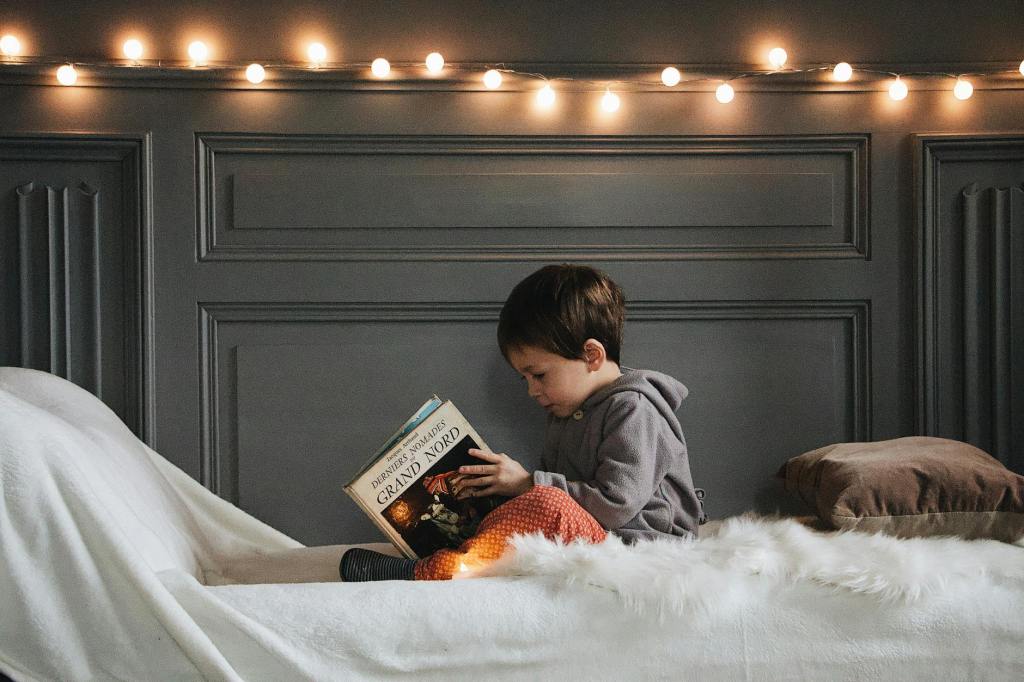
Books are perhaps the most powerful gifts we can give children. They open windows to other worlds, build empathy by letting us walk in someone else’s shoes, teach us about ourselves and our bodies, and help us navigate complex feelings and situations. The right book at the right time can comfort a scared child, validate their experience, introduce them to families that look like theirs (or don’t), and plant seeds of kindness, curiosity, and justice that grow throughout a lifetime.
From the earliest board books that teach babies about faces and patterns to chapter books that tackle bullying and environmental responsibility, children’s literature shapes how young people understand themselves and the world. Quality books—beautifully illustrated, thoughtfully written, and representing diverse experiences—are investments in raising empathetic, well-rounded, confident humans.
Here are essential books for ages 0-8 that every child deserves to encounter.
The examples of specific gifts are from the Australian Amazon site. As an Amazon Associate, I earn from qualifying purchases.
Baby (0-1 Year) — Sensory Exploration and Bonding
Babies are just beginning to focus their eyes, recognize faces, and understand that books are objects to explore. At this stage, books should be durable (board books or cloth books), high-contrast, and feature simple images. Reading together is about bonding, language exposure, and establishing the ritual of shared story time.
Gift Recommendations:
- Black & White by Tana Hoban (high-contrast images perfect for developing vision)
- Amazon Australia: Black & White by Tana Hoban
- Faces by Ladybird (simple, diverse baby faces for recognition and connection)
- Amazon Australia: Faces by Ladybird
- Dear Zoo by Rod Campbell (simple lift-the-flap book with repetitive text)
- Amazon Australia: Dear Zoo by Rod Campbell
- Global Babies by The Global Fund for Children (photographs of babies from around the world)
- Amazon Australia: Global Babies by The Global Fund for Children
- Baby Faces by DK (sturdy board book featuring diverse babies expressing emotions)
- Amazon Australia: Baby Faces by DK
- Goodnight Moon by Margaret Wise Brown (bedtime classic with soothing rhythm)
- Amazon Australia: Goodnight Moon by Margaret Wise Brown
Toddler (1 Year) — Interactive Discovery
One-year-olds are developing object permanence and love interactive elements. Lift-the-flap, touch-and-feel, and simple story books with rhythm and repetition support language development and keep little hands engaged. Books at this age introduce basic concepts like animals, vehicles, and daily routines.
Gift Recommendations:
- That’s Not My.. series by Fiona Watt (touch-and-feel textures on every page)
- Amazon Australia: That’s Not My Puppy… by Fiona Watt
- Brown Bear, Brown Bear, What Do You See? by Bill Martin Jr. and Eric Carle (rhythmic, colorful classic)
- Where’s Spot? by Eric Hill (beloved lift-the-flap puppy adventure)
- Amazon Australia: Where’s Spot? by Eric Hill
- Peek-a-Who? by Nina Laden (interactive guessing game with mirror surprise)
- Amazon Australia: Peek-a-Who? by Nina Laden
- Touch and Feel: Farm by DK (textures plus farm animal introduction)
- Amazon Australia: Touch and Feel: Farm by DK
- The Going to Bed Book by Sandra Boynton (silly bedtime routine with animals)
- Amazon Australia: The Going to Bed Book by Sandra Boynton
Toddler (2 Years) — Simple Stories and Emotions
Two-year-olds are building vocabulary rapidly and beginning to understand simple narratives. Books that name emotions, describe daily routines, and feature toddler-aged characters help children see themselves in stories and learn emotional vocabulary.
Gift Recommendations:
- The Very Hungry Caterpillar by Eric Carle (classic with counting, days of week, and transformation)
- Amazon Australia: The Very Hungry Caterpillar by Eric Carle
- Llama Llama Red Pajama by Anna Dewdney (bedtime routine and managing separation anxiety)
- Amazon Australia: Llama Llama Red Pajama by Anna Dewdney
- My Two Homes by Claudia Harrington (positive representation of children with separated parents)
- Amazon Australia: My Two Homes by Claudia Harrington
- The Feelings Book by Todd Parr (simple introduction to many different emotions)
- Amazon Australia: The Feelings Book by Todd Parr
- Everywhere Babies by Susan Meyers (celebrates babies in all kinds of families doing everyday things)
- Amazon Australia: Everywhere Babies by Susan Meyers
- Press Here by Hervé Tullet (interactive book that responds to toddler “commands”)
- Amazon Australia: Press Here by Hervé Tullet
Toddler (3 Years) — Expanding Worlds and Family Diversity
Three-year-olds are curious about families, bodies, and how things work. This is an ideal age to introduce books featuring diverse family structures (including same-sex parents, single parents, adoptive families), basic body education, and social-emotional themes like sharing and friendship.
Gift Recommendations:
- And Tango Makes Three by Justin Richardson and Peter Parnell (true story of two male penguins raising a chick)
- Amazon Australia: And Tango Makes Three by Justin Richardson and Peter Parnell
- The Family Book by Todd Parr (celebrates all kinds of families in simple, colorful illustrations)
- Amazon Australia: The Family Book by Todd Parr
- My Body Belongs to Me by Jill Starishevsky (introduces body autonomy and safety concepts age-appropriately)
- Amazon Australia: My Body Belongs to Me by Jill Starishevsky
- A Family is a Family is a Family by Sara O’Leary (explores many different family structures)
- Amazon Australia: A Family is a Family is a Family by Sara O’Leary
- All Are Welcome by Alexandra Penfold (inclusive celebration of diversity in school setting)
- Amazon Australia: All Are Welcome by Alexandra Penfold
- We’re All Wonders by R.J. Palacio (picture book version teaching kindness and acceptance)
- Amazon Australia: We’re All Wonders by R.J. Palacio
Preschooler (4 Years) — Feelings, Friendships, and Self-Esteem
Four-year-olds are navigating complex social situations and developing stronger senses of self. Books about emotions, friendship conflicts, self-esteem, and standing up for others help children process their experiences and build emotional intelligence.
Gift Recommendations:
- The Color Monster by Anna Llenas (identifies and names different emotions through colors)
- Amazon Australia: The Color Monster by Anna Llenas
- Heather Has Two Mommies by Lesléa Newman (matter-of-fact representation of lesbian parents)
- Amazon Australia: Heather Has Two Mommies by Lesléa Newman
- I Am Enough by Grace Byers (powerful affirmation of self-worth for all children)
- Amazon Australia: I Am Enough by Grace Byers
- The Invisible Boy by Trudy Ludwig (about exclusion, kindness, and seeing those who are overlooked)
- Amazon Australia: The Invisible Boy by Trudy Ludwig
- In My Heart: A Book of Feelings by Jo Witek (explores many emotions with die-cut heart pages)
- Amazon Australia: In My Heart: A Book of Feelings by Jo Witek
- Julian is a Mermaid by Jessica Love (celebrates gender expression and supportive families)
- Amazon Australia: Julian is a Mermaid by Jessica Love
Preschooler (5 Years) — Body Knowledge and Consent
Five-year-olds are curious about their bodies and how they work. Age-appropriate books about anatomy, where babies come from, and bodily autonomy teach children accurate language and help them understand consent from an early age. Books about environmental care also resonate as children become more aware of the natural world.
Gift Recommendations:
- It’s Not the Stork! by Robie H. Harris (age-appropriate facts about bodies, birth, and families)
- Amazon Australia: It’s Not the Stork! by Robie H. Harris
- My Body! What I Say Goes! by Jayneen Sanders (teaches body boundaries and consent clearly)
- Amazon Australia: My Body! What I Say Goes! by Jayneen Sanders
- The Lorax by Dr. Seuss (environmental responsibility told through classic rhyme)
- Amazon Australia: The Lorax by Dr. Seuss
- C is for Consent by Eleanor Morrison (introduces consent concept through alphabet format)
- Amazon Australia: C is for Consent by Eleanor Morrison
- The Day You Begin by Jacqueline Woodson (finding courage when you feel different)
- Amazon Australia: The Day You Begin by Jacqueline Woodson
- Ada Twist, Scientist by Andrea Beaty (celebrates curiosity, questions, and scientific thinking)
- Amazon Australia: Ada Twist, Scientist by Andrea Beaty
Early Primary (6 Years) — Complex Emotions and Social Challenges
Six-year-olds are starting school or settling into formal education, encountering more social complexity, and developing reading skills. Books that address bullying, jealousy, exclusion, and standing up for others help children navigate these challenges. Diverse representation in characters and families continues to matter deeply.
Gift Recommendations:
- Each Kindness by Jacqueline Woodson (powerful story about bullying, regret, and missed opportunities for kindness)
- Amazon Australia: Each Kindness by Jacqueline Woodson
- Stella Brings the Family by Miriam B. Schiffer (child with two dads navigating Mother’s Day at school)
- Amazon Australia: Stella Brings the Family by Miriam B. Schiffer
- Your Body is Brilliant by Sigrun Danielsdottir (body positivity and self-acceptance)
- Amazon Australia: Your Body is Brilliant by Sigrun Danielsdottir
- The Proudest Blue by Ibtihaj Muhammad (hijab, identity, and standing up to bullies)
- Amazon Australia: The Proudest Blue by Ibtihaj Muhammad
- Last Stop on Market Street by Matt de la Peña (finding beauty, gratitude, and community service)
- Amazon Australia: Last Stop on Market Street by Matt de la Peña
- Stand Up for Yourself and Your Friends by Patti Kelley Criswell (practical advice about bullying and advocacy)
- Amazon Australia: Stand Up for Yourself and Your Friends by Patti Kelley Criswell
Early Primary (7 Years) — Chapter Books and Deeper Themes
Seven-year-olds are often ready for early chapter books and more complex narratives. Books that explore social justice themes, environmental activism, diverse protagonists, and challenging emotions support their developing critical thinking and empathy.
Gift Recommendations:
- Ivy and Bean series by Annie Barrows (friendship, humor, and problem-solving with diverse characters)
- Amazon Australia: Ivy and Bean 1 by Annie Barrows
- The Name Jar by Yangsook Choi (identity, belonging, and celebrating cultural differences)
- Amazon Australia: The Name Jar by Yangsook Choi
- What Does Consent Really Mean? by Pete Wallis and Thalia Wallis (expands consent understanding beyond bodies to all interactions)
- Amazon Australia: What Does Consent Really Mean? by Pete Wallis and Thalia Wallis
- King and the Dragonflies by Kacen Callender (grief, identity, and acceptance in Louisiana setting)
- Amazon Australia: King and the Dragonflies by Kacen Callender
- Julián at the Wedding by Jessica Love (sequel celebrating gender expression and family joy)
- Amazon Australia: Julián at the Wedding by Jessica Love
- The Boy Who Harnessed the Wind by William Kamkwamba (true story of innovation and environmental problem-solving)
- Amazon Australia: The Boy Who Harnessed the Wind by William Kamkwamba
Early Primary (8 Years) — Independence and Identity
Eight-year-olds are developing stronger individual identities and are ready for books with more complex plots, moral dilemmas, and diverse protagonists. Books featuring LGBTQ+ characters, disability representation, environmental heroes, and young activists show children the many ways to be human and make a difference.
Gift Recommendations:
- Wonder by R.J. Palacio (empathy, kindness, and accepting difference through multiple perspectives)
- Amazon Australia: Wonder by R.J. Palacio
- Melissa (previously published as George) by Alex Gino (transgender child navigating identity and acceptance)
- Amazon Australia: Melissa (previously published as George) by Alex Gino
- Greta and the Giants by Zoë Tucker (environmental activism inspired by Greta Thunberg)
- Amazon Australia: Greta and the Giants by Zoë Tucker
- El Deafo by Cece Bell (graphic memoir about hearing loss, friendship, and finding your superpower)
- Amazon Australia: El Deafo by Cece Bell
- The Wild Robot by Peter Brown (environmental themes, belonging, and what it means to be alive)
- Amazon Australia: The Wild Robot by Peter Brown
- Stella Díaz Has Something to Say by Angela Dominguez (bilingual child finding her voice and overcoming shyness)
- Amazon Australia: Stella Díaz Has Something to Say by Angela Dominguez
Final Thoughts
Books are mirrors that reflect children’s own experiences back to them and windows that show them lives and worlds beyond their own. When we choose books thoughtfully—seeking diverse representation, age-appropriate honesty about bodies and emotions, stories that build empathy and environmental awareness—we’re not just teaching children to read. We’re shaping the humans they’ll become. Whether it’s a baby’s first board book, a preschooler learning about consent, or an eight-year-old discovering a character who looks like them or loves like their family does, books tell children: you matter, your questions matter, and there’s room in this world for all of us. The gift of a good book is the gift of understanding, and that’s something every child deserves.

 Party Gift Hub
Leave a comment