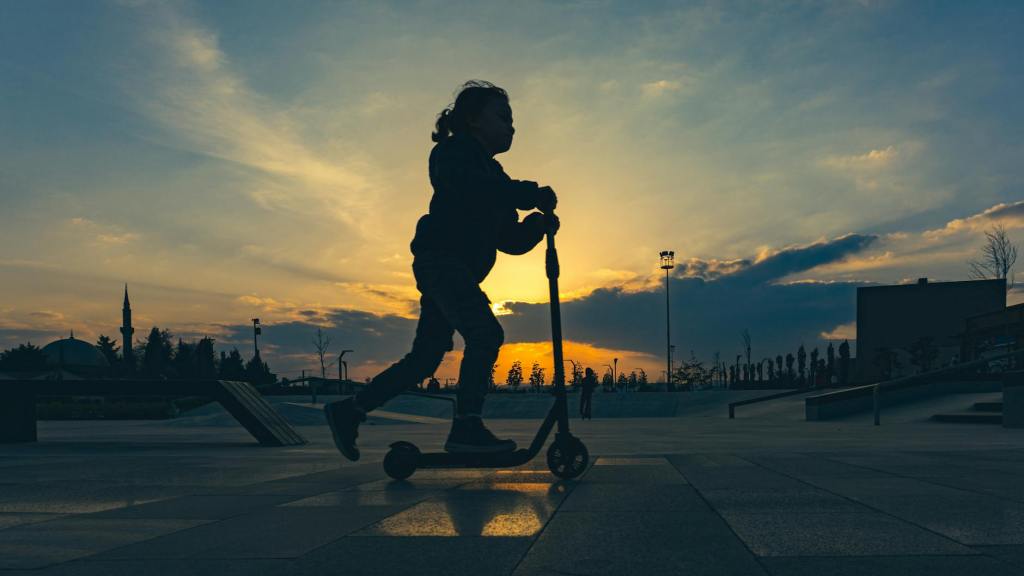
Movement is essential for healthy development—physically, emotionally, and socially. But “sports” doesn’t have to mean team uniforms and competitive leagues. For every child who loves soccer or basketball, there’s another who finds joy in mastering a kendama, perfecting a cartwheel, or flowing through yoga poses. Active play encompasses traditional sports, individual skill development, dance, gymnastics, and the kind of joyful movement that makes bodies feel strong and capable.
The best active play gifts meet children where they are—whether that’s the naturally athletic kid who thrives on competition, the creative mover who loves dance and flow arts, the persistent practitioner who’ll spend hours mastering a yo-yo trick, or the child who just wants to bounce on a trampoline for the pure joy of it. Movement builds confidence, teaches persistence, offers healthy outlets for big emotions, and helps children develop a positive relationship with their bodies.
Here are active play gifts that honor different ways children move.
The examples of specific gifts are from the Australian Amazon site. As an Amazon Associate, I earn from qualifying purchases.
Toddler (1-3 Years) — First Movements and Gross Motor Skills
Toddlers are learning to walk, run, climb, and jump—building the fundamental gross motor skills that underpin all future movement. Active play at this age focuses on balance, coordination, and the sheer delight of discovering what bodies can do. Equipment should be safe, scaled to small bodies, and encourage exploration without frustration.
Gift Recommendations:
- Soft foam balls in various sizes for rolling, throwing, and kicking
- Amazon Australia: Billeeit Mini Sports Balls Set
- Push and ride-on toys for leg strength and balance
- Amazon Australia: VTech Push & Ride Alphabet Train
- Toddler-sized basketball hoops (lowered for success)
- Amazon Australia: GMAOPHY Blue Toddler Basketball Hoop
- Balance boards or wobble cushions for core strength
- Amazon Australia: Lehoo Castle Stepping Stones
- Tunnel toys for crawling and spatial awareness
- Amazon Australia: STLOVe Kids Play Tent
- Small trampolines with handles for supported jumping
- Amazon Australia: Lyromix 36-Inch Kids Trampoline with Handle
Preschooler (4-5 Years) — Building Skills and Confidence
Preschoolers have more control over their bodies and are ready for equipment that challenges their developing coordination. This is an ideal age to introduce basic sports equipment, movement toys that require practice, and activities that build both physical skills and confidence. Many children this age enjoy the challenge of mastering a new skill through repetition.
Gift Recommendations:
- Beginner soccer balls and goals for kicking practice
- Amazon Australia: Dimples Excel Soccer Goal Pop up Soccer Net for Backyard
- Soft T-ball sets with adjustable tees
- Amazon Australia: LITTLE TIKES TotSports T-Ball Set
- Hula hoops (standard and weighted options for easier learning)
- Amazon Australia: Hoola Hoop for Kids Detachable
- Scooters with three wheels for stability
- Amazon Australia: Hurtle 3-Wheeled Scooter
- Gymnastics mats for safe tumbling at home
- Jump ropes (beaded or handled for easier coordination)
- Amazon Australia: Light-Up Skipping Rope
Early Primary (6-8 Years) — Exploring Interests and Building Stamina
Children in early primary are developing preferences for certain types of movement and building the stamina for longer play sessions. This is when some kids gravitate toward team sports while others discover solo pursuits like skateboarding, dancing, or skill toys. Equipment should support whatever captures their interest while encouraging regular physical activity.
Gift Recommendations:
- Youth-sized equipment for their chosen sport (basketball, football, gymnastics bar)
- Beginner skateboards or longboards with safety gear
- Amazon Australia: MEKETEC Skateboards Complete 22 Inch Mini Cruiser Retro Skateboard
- Two-wheel scooters or balance bikes transitioning to pedal bikes
- Amazon Australia: RoyalBaby Kids Bike
- Kendama (cup-and-ball skill toy requiring patience and coordination)
- Amazon Australia: House of Marbles Wooden Cup and Ball
- Juggling sets with scarves or soft balls
- Amazon Australia: Juggling Balls
- Dance mats or ribbons for creative movement
- Amazon Australia: Thumbs Up OR-RETDANCEM Retro Dance Mat
Tweens (9-12 Years) — Skill Development and Identity
Tweens often identify strongly with particular activities—”I’m a dancer” or “I’m a soccer player”—making this an important time to support their chosen pursuits with quality equipment. For kids less interested in traditional sports, skill toys, flow arts, and individual activities offer ways to move that feel less competitive and more personally expressive.
Gift Recommendations:
- Quality equipment for their chosen sport (proper cleats, gloves, protective gear)
- Slacklines for balance and focus
- Amazon Australia: Slackers – 50′ Slackline Classic
- Poi or LED flow toys for rhythmic movement
- Amazon Australia: A Pair Spinning Balls Poi LED Light
- Gymnastics equipment (balance beams, parallettes, rings for home use)
- Amazon Australia: 1.8m Folding Balance Beam
- Roller skates or inline skates with protective gear
- Amazon Australia: Roller Derby Vtech/Cobra Inline Skates
- Diabolos (Chinese yo-yos) for impressive skill development
- Amazon Australia: MAGICYOYO Pro Triple Bearing Medium 5″ Blue Chinese Yoyo Diabolo Toy
Teens (13-15 Years) — Performance and Personal Challenge
Teenagers who’ve found their movement niche benefit from professional-grade equipment that supports serious practice. For teens still exploring, this is an age where fitness activities (yoga, pilates, weight training), individual sports (rock climbing, martial arts), and skill-based pursuits feel more age-appropriate than youth sports leagues.
Gift Recommendations:
- Protective gear for their chosen activity (knee pads, helmets, wrist guards)
- Digital sports watch with fitness tracking
- Amazon Australia: TOZO 44mm Rectangular Face Smart Watch Alexa Built-in Fitness Tracker
- Yoga mats and props (blocks, straps) for home practice
- Amazon Australia: PROIRON Yoga Mat Patented Alignment System Exercise Mat
- Quality skateboards or longboards for commuting and tricks
- Amazon Australia: Magneto 44 inch Kicktail Cruiser Longboard Skateboard
- Home gym equipment (resistance bands, dumbbells, pull-up bars)
- Amazon Australia: Gritin Resistance Bands
- Advanced skill toys (metal kendamas, unresponsive yo-yos)
- Amazon Australia: Sweets Kendamas
Older Teens (16+) — Lifestyle and Lifelong Movement
For older teens, movement often shifts from structured sports to activities that fit adult lifestyles—running, cycling, gym workouts, yoga, aerobic classes. Equipment at this stage should be quality items they’ll use for years, supporting whatever movement practices they want to maintain into adulthood.
Gift Recommendations:
- Running shoes fitted properly for their gait
- Quality athletic wear that performs well and feels good
- Gym memberships or class passes (yoga studios, climbing gyms, martial arts)
- Cycling equipment (bikes, helmets, lights for commuting)
- Amazon Australia: Bicycle Repair Kit
- Home workout equipment (kettlebells, suspension trainers, foam rollers)
- Amazon Australia: THYSOL® Suspension Trainer
- Cooling towels, charcoal air fresheners or massage tools
- Amazon Australia: AUGSUN Cooling Neck Towels
Final Thoughts
Every body deserves to move in ways that feel good. Whether that’s the precision of a gymnast, the flow of a dancer, the strategy of a team sport player, or the meditative focus of someone mastering a kendama, active play helps children build strong, capable bodies and the confidence that comes with them. The goal isn’t to create elite athletes—it’s to help children discover forms of movement they genuinely enjoy, building habits and relationships with their bodies that last a lifetime. When we offer diverse options for active play, we’re saying: however you like to move, there’s equipment to support you. Your way of being active is valid, valuable, and worth investing in.

 Party Gift Hub
Leave a comment