
Every human has sensory needs—textures that calm us, movements that help us think, sounds that soothe or stimulate. For some children, these needs are more pronounced, requiring intentional support to help them regulate their nervous systems, maintain focus, or manage overwhelming input. Sensory toys aren’t just for neurodivergent children, though they’re essential for many kids with autism, ADHD, sensory processing differences, or anxiety. They benefit any child (or adult) who needs tools for self-regulation, concentration, or comfort.
The right sensory tool can transform a meltdown into a manageable moment, help a fidgety child focus during homework, provide a calming bedtime ritual, or offer a safe outlet for big emotions. Sensory toys address different needs—tactile (touch), proprioceptive (body awareness and deep pressure), vestibular (movement and balance), visual (sight), and auditory (sound). Understanding which sensory inputs help a particular child is key to choosing tools that genuinely support rather than simply distract.
Here are sensory gifts that meet children where they are.
The examples of specific gifts are from the Australian Amazon site. As an Amazon Associate, I earn from qualifying purchases.
Toddler (1-3 Years) — Exploring Textures and Movements
Toddlers are sensory explorers by nature—touching everything, putting objects in their mouths, seeking movement and pressure. Sensory toys at this age should be safe for mouthing, offer diverse textures, and provide opportunities for gross motor sensory input like swinging, bouncing, or squeezing.
Gift Recommendations:
- Textured sensory balls (various sizes and surfaces for tactile exploration)
- Amazon Australia: ROHSCE Textured Ball Set Baby
- Chewable teething jewelry or toys (safe oral sensory input)
- Amazon Australia: Panny & Mody Silicone Rudder Teether
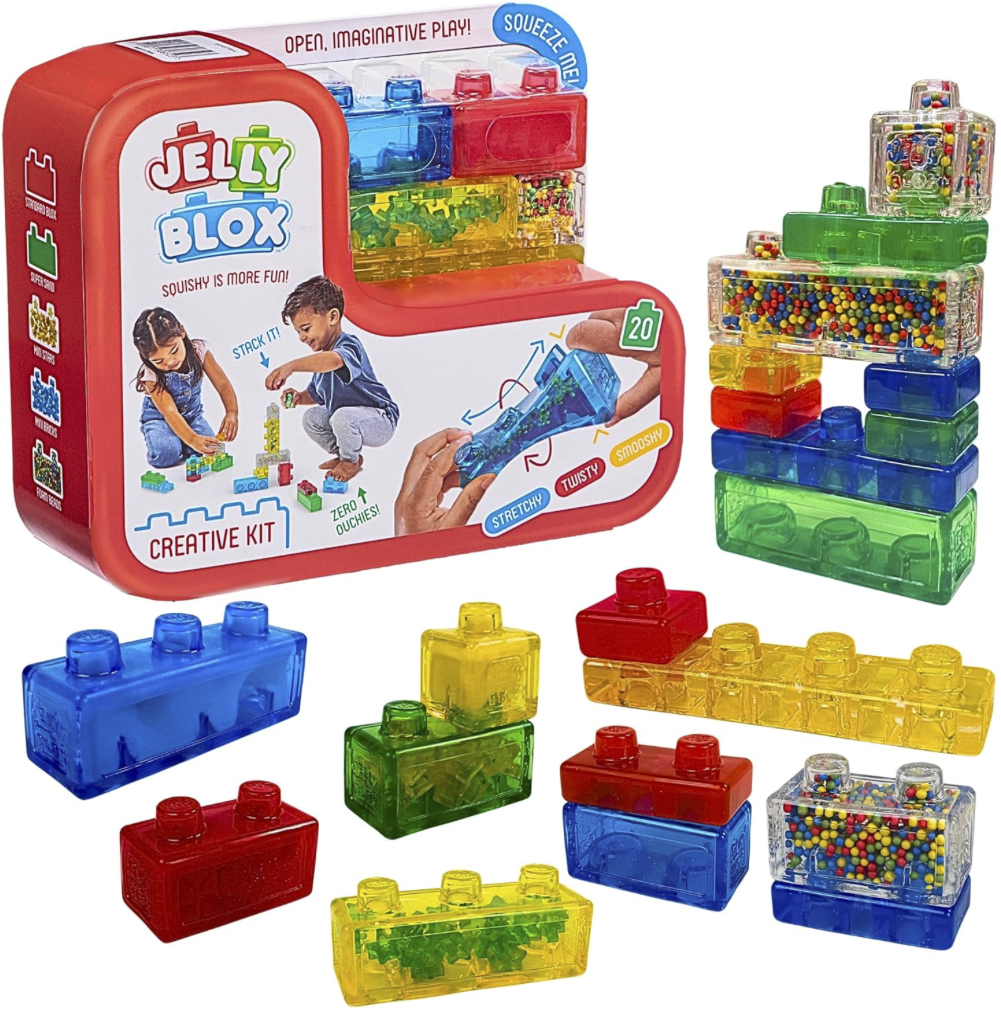
- Sensory bins with rice, beans, or water beads for tactile play
- Amazon Australia: Educational Insights Playfoam Pluffle 4 Pack
- Mini trampolines or bounce cushions (vestibular and proprioceptive input)
- Amazon Australia: Little Tikes Easy Store 3-Foot Trampoline
- Weighted lap animals or stuffed toys (calming deep pressure)
- Amazon Australia: SNUGSHINE Glow in The Dark Dog Weighted Lap Pad for Kids with Storybook
- Pop tubes or fidget snakes (tactile and auditory feedback)
- Amazon Australia: JOYIN 18 Pack Pop Tubes
Preschooler (4-5 Years) — Regulation Tools and Calming Strategies
Preschoolers are developing emotional regulation skills and beginning to recognize when they need sensory input to calm down or focus. Tools that provide deep pressure, rhythmic movement, or satisfying tactile feedback help children learn to self-regulate. Visual and auditory sensory tools also become more engaging at this age.
Gift Recommendations:
- Kinetic sand or therapy putty (tactile and calming)
- Amazon Australia: Kinetic Sand, The Original Moldable Sensory Play Sand
- Weighted blankets or lap pads (deep pressure for anxiety or sleep)
- Amazon Australia: Topcee Weighted Blanket
- Liquid motion bubblers or sensory timers (visual calming)
- Amazon Australia: YUE ACTION Liquid Motion Bubbler
- Body socks or compression clothing (proprioceptive input)
- Amazon Australia: Hugsmiling Body Sock Sensory Kids
- Fidget spinners or simple fidget toys (focus and hand occupation)
- Amazon Australia: 80 Pack Fidget Toys Set
- Noise-canceling headphones or white noise machines (auditory regulation)
- Amazon Australia: Easysleep Sound White Noise Machine
Early Primary (6-8 Years) — Focus and Attention Tools
Children in early primary are expected to sit still, focus, and regulate their bodies in classroom settings—often a challenge for kids with sensory needs. Discrete fidget tools, seating alternatives, and sensory breaks become important. Children at this age can begin identifying which sensory inputs help them concentrate or calm down.
Gift Recommendations:
- Tangle fidget toys or infinity cubes (quiet hand fidgets for classroom use)
- Amazon Australia: XiXiRan Tangle Fidget Toy
- Wobble cushions or balance disc seats (movement while sitting)
- Amazon Australia: Amazon Basics Balance Stability Disc Cushion
- Stretchy or squishy stress balls (tactile and proprioceptive)
- Amazon Australia: NeeDoh Groovy Fruit Stress Ball
- Chewable pencil toppers or necklaces (safe oral sensory input during work)
- Amazon Australia: Panny & Mody Chewable Pencil Toppers
- Resistance bands for chair legs (leg movement outlet during desk work)
- Amazon Australia: 12 Pack Chair Bands for Kids with Fidgety Feet
- Sensory swings or pod chairs (vestibular input and calming space)
- Amazon Australia: STAOLENE 60″ Peapod Sensory Chair
Tweens (9-12 Years) — Discrete Tools and Emotional Regulation
Tweens become more self-aware about their sensory needs and often prefer tools that don’t draw attention or look “babyish.” Discrete fidgets, jewelry with sensory elements, and tools marketed for focus rather than sensory needs appeal to this age. Sensory tools for managing anxiety, stress, and emotional overwhelm become particularly important.
Gift Recommendations:
- Spinner rings or fidget jewelry (discrete tactile input)
- Amazon Australia: FIBO STEEL 4Pcs Black Spinner Rings
- Monkey noodles or bike chain fidgets (satisfying tactile and visual)
- Amazon Australia: ILYMB Bike Chain Gear Fidget Spinner
- Weighted eye masks or heating/cooling packs (calming sensory input)
- Amazon Australia: Weighted Eye Mask for Sleeping
- Stress balls that look like everyday objects (discrete squeezing)
- Amazon Australia: ASMFUOY Banana Squishies Stress Relief Soft Squishy Stretch Squeeze Toys
- Magnetic thinking putty or sand (tactile and meditative)
- Amazon Australia: Crazy Aaron’s Putty Intergalatic Trendsetters Thinking Putty
- Sensory brushes or textured tools for self-administered sensory breaks
- Amazon Australia: Wellgler’s OT Sensory Brush for Autism Therapy
Teens (13-15 Years) — Anxiety Management and Study Tools
Teenagers managing school stress, social anxiety, or sensory processing challenges benefit from tools that support focus during studying, provide calming input during overwhelming moments, and offer discrete regulation in public settings. Many teens appreciate sensory tools framed around productivity, stress relief, or wellness rather than explicitly “sensory.”
Gift Recommendations:
- High-quality fidget cubes or metal fidgets (sophisticated tactile tools)
- Amazon Australia: ITOKEY Metal Fidget Toys
- Weighted lap pads or shoulder wraps (calming deep pressure during study)
- Amazon Australia: REVIX Microwave Heating Pad for Neck Shoulders and Back with Moist Heat
- Noise-canceling headphones or earbuds (auditory control in loud environments)
- Amazon Australia: TOZO HT2 Hybrid Active Noise Cancelling Wireless Headphones
- Aromatherapy or essential oil rollers (olfactory calming)
- Amazon Australia: Gya Labs Deep Calm Essential Oil Roll on
- Grip strengtheners or hand therapy tools (proprioceptive input)
- Amazon Australia: IMENSEAS Hand Grip Strengthener 7 Pack
- Adult coloring books or zentangle supplies (visual and tactile focus)
- Amazon Australia: Sakura 3 Piece Zentangle Tool Set
Older Teens (16+) — Adult-Level Regulation and Wellness
Older teens managing the stress of school, work, relationships, and future planning benefit from sensory tools that support mental health, sleep, focus, and emotional regulation. Tools at this stage often blur the line between “sensory toys” and wellness products, helping young adults develop lifelong regulation strategies.
Gift Recommendations:
- Weighted blankets (full-sized for sleep and anxiety management)
- Amazon Australia: YnM Exclusive Cooling Weighted Blanket
- Acupressure mats or massage tools (proprioceptive and pain relief)
- Amazon Australia: Sivan Health and Fitness?Acupressure Mat and Pillow Set
- Meditation cushions or yoga props (grounding and body awareness)
- Amazon Australia: Retrospec Sedona Zafu Meditation Cushion Filled w/Buckwheat Hulls
- Quality desk fidgets or executive toys (sophisticated tactile tools)
- Amazon Australia: Fidget Spinners, Kinetic Desk Toy
- Light therapy lamps or sunrise alarm clocks (visual regulation and sleep support)
- Amazon Australia: BONTANNY Red Light Device
- Compression clothing or weighted vests (wearable deep pressure)
Final Thoughts
Sensory tools aren’t luxuries or signs of weakness—they’re practical supports that help nervous systems function optimally. Just as we don’t question someone wearing glasses to see clearly, we shouldn’t question children (or adults) using sensory tools to regulate, focus, or find calm. Every body has sensory preferences and needs; some just require more intentional support than others. When we provide children with sensory tools that meet their specific needs, we’re teaching them to understand their own bodies, advocate for their requirements, and develop lifelong regulation strategies. Whether it’s a toddler exploring textures, a student using a fidget to focus during tests, or a teenager managing anxiety with a weighted blanket, sensory tools offer dignity, support, and the message that everyone deserves to feel comfortable in their own body.


 Party Gift Hub
Leave a comment